




Is there a connection between literacy and learning mathematics?
A team of scholars led by Prof. Ciriaka Gitonga is exploring this important question through a collaborative initiative that brings together researchers, graduate students and teachers to examine the role of literacy in mathematics learning.
The initiative is based on growing concern about learners’ literacy levels and the implications for their ability to engage with learning across the curriculum, including mathematics. The team is particularly interested in exploring how interventions focused on phonics, reading fluency and comprehension can support learners’ understanding of mathematical concepts and instructions.
Bringing Scholars Together to Explore New Interventions
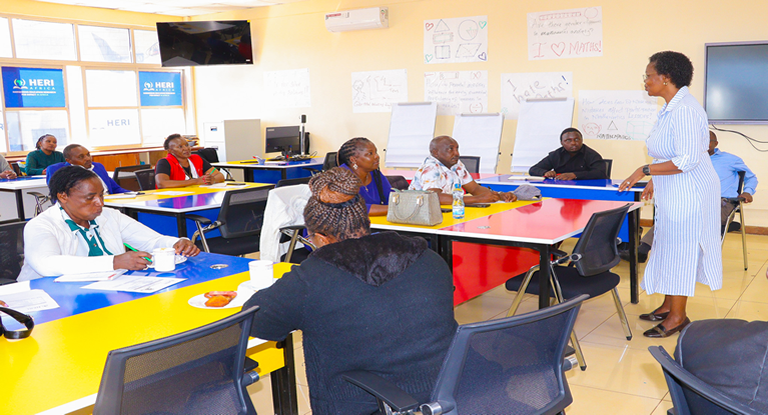
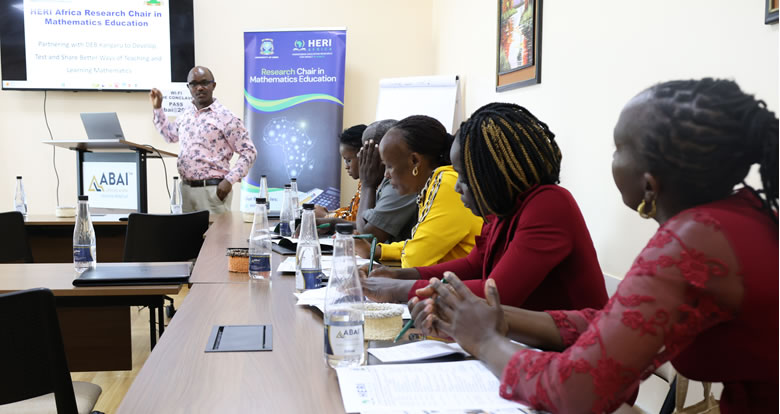
On 13 July, Prof. Ciriaka Gitonga brought together experts, scholars and Master’s and PhD students in Linguistics from the Schools of Humanities and Education to explore the relationship between literacy and mathematics learning.
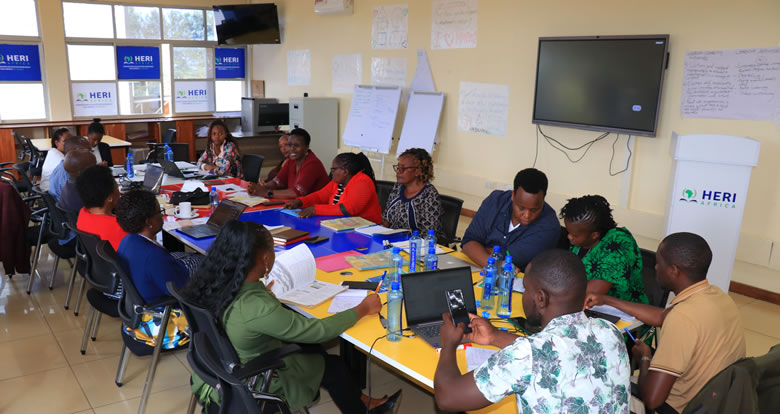
The meeting provided an opportunity for participants to examine how literacy skills may influence learners’ ability to understand mathematical language, interpret questions, follow instructions and communicate mathematical ideas.
The team identified three potential intervention areas for further exploration:
- Phonics as an intervention to strengthen foundational reading skills;
- Reading fluency as an intervention to improve learners’ ability to read and process text; and
- Reading comprehension as an intervention to support learners’ understanding of written information and mathematical problems.
The teams working on these interventions were tasked with developing concepts with clear objectives and research questions. This process is intended to provide a strong foundation for the development of evidence-informed interventions that respond to the needs of learners.
Connecting Literacy with Mathematics Learning
The discussions are informed by existing concerns about low literacy levels among learners and the potential consequences for learning outcomes across subjects.
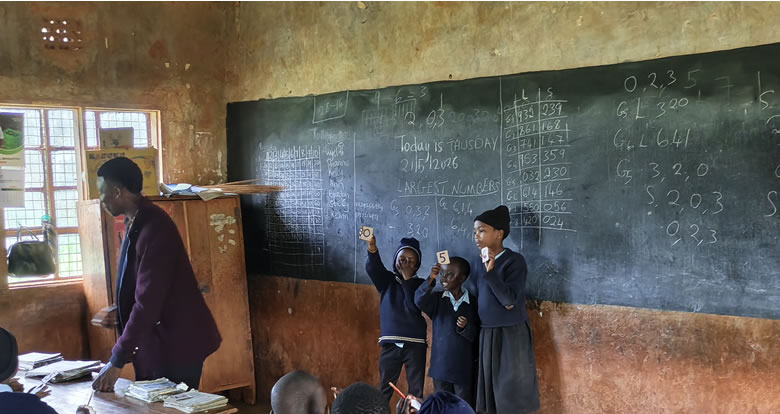
The researchers are particularly interested in exploring how learners’ literacy abilities affect their engagement with mathematics. Mathematical learning often requires learners to read and interpret instructions, understand word problems, recognize mathematical terminology and communicate their reasoning.
The initiative therefore seeks to explore whether strengthening literacy skills can contribute to improved mathematics learning.
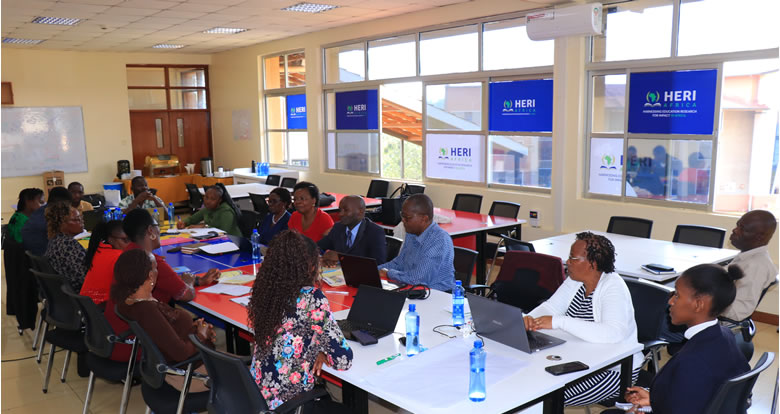
A key area of interest is the concept of literacy for numbers, the use of strategies, tools and approaches that are specifically designed to support learners in developing the literacy skills needed to understand and engage with mathematics in their particular contexts.
Teachers Bring Practical Experience to the Research
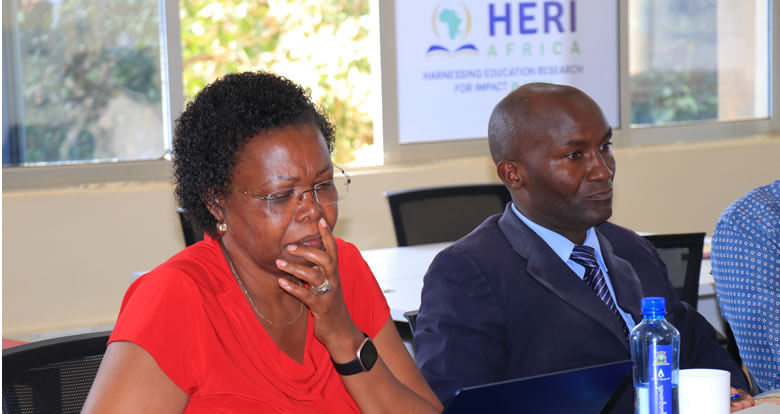
On 21 July, the team held a follow-up meeting that brought teachers and school leaders into the conversation.
Teachers, including the Deputy Head of Institution from Kangaru DEB Primary School, were invited to share their experiences and perspectives on the challenges affecting literacy learning. Their participation provided researchers with an opportunity to understand the realities faced by teachers and learners in school settings.
The interaction between researchers and teachers is an important part of the initiative. Teachers bring practical knowledge of classroom experiences, learner needs and the challenges associated with implementing interventions. Researchers, in turn, contribute expertise in research design, evidence generation and the development of interventions that can be tested and evaluated.
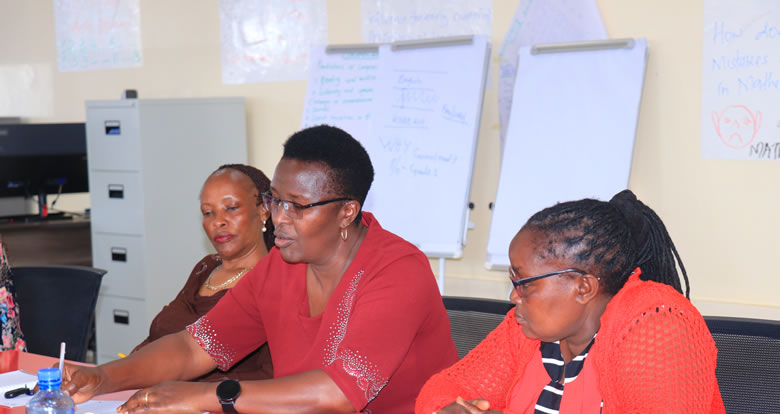
The engagement therefore seeks to ensure that the proposed interventions are not only theoretically sound but also relevant and practical for use in schools.
Teacher Professional Development and Curriculum Implementation
The discussions also identified teacher professional development and curriculum implementation as important variables in improving literacy and mathematics learning.
Even well-designed interventions require teachers who are adequately supported to implement them effectively. The team is therefore considering how teacher professional development can be incorporated into the development and implementation of literacy-based interventions.
Similarly, curriculum implementation remains an important consideration. The proposed approaches must be responsive to the realities of the curriculum, classroom conditions and the diverse needs of learners.
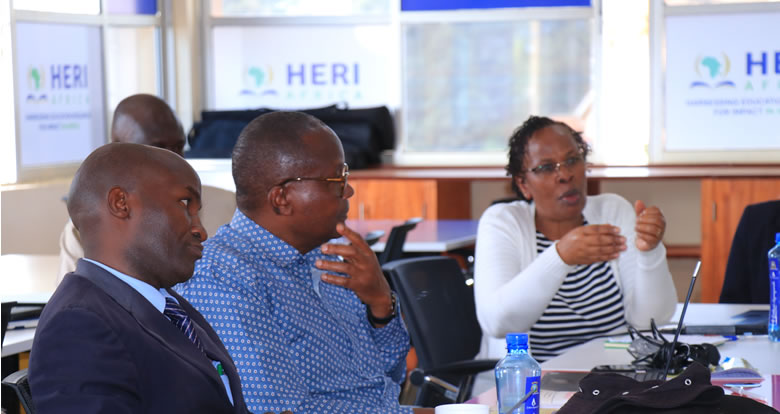
The discussions emphasized the importance of developing strategies, tools and approaches that are context-specific and capable of supporting teachers in addressing the literacy challenges experienced by learners.
Towards Evidence-Informed Interventions
The initiative brings together expertise from linguistics, education and classroom practice to explore a complex learning challenge.
Through the development of concepts focused on phonics, reading fluency and comprehension, the team is working towards interventions that can be examined through research and adapted to respond to the needs of learners and schools.
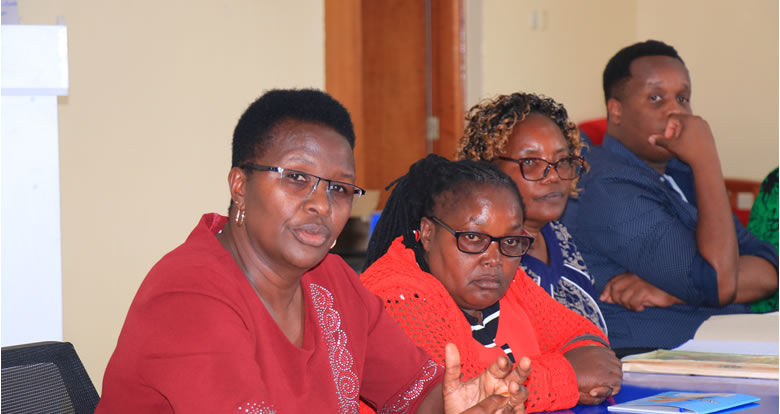
The involvement of teachers and school leaders strengthens the process by ensuring that research questions and proposed interventions are informed by real classroom experiences.
The broader goal is to develop evidence-informed approaches that can help improve learners’ literacy skills and strengthen their ability to engage with mathematics.
The meetings led by Prof. Ciriaka Gitonga mark an important step towards strengthening collaboration between researchers and practitioners in addressing foundational learning challenges.
By bringing together scholars, Master’s and PhD students, teachers and school leaders, the initiative is creating a platform for developing research-informed interventions that connect literacy and mathematics learning.