




Stakeholders from across Kenya’s education sector have called for stronger collaboration, evidence-informed interventions, and sustainable solutions to improve foundational numeracy and ensure that every child acquires the mathematical skills needed to succeed in school and life.
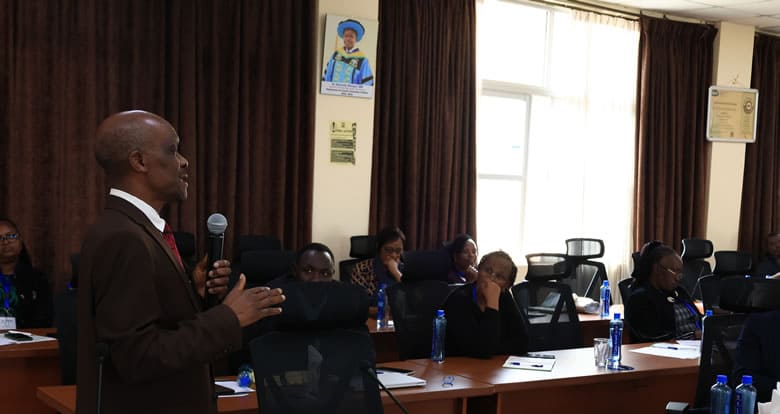
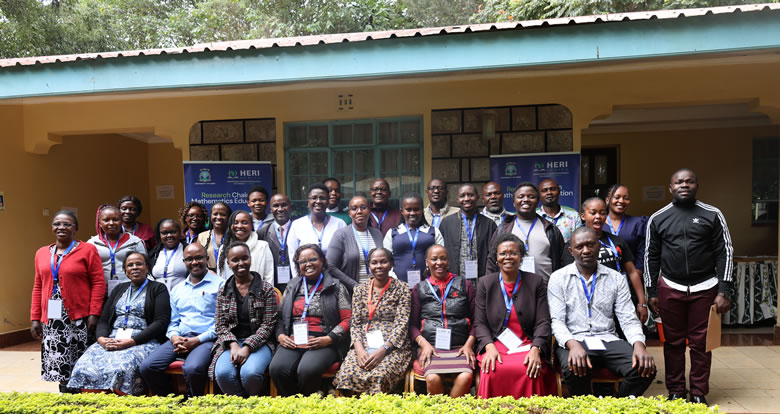
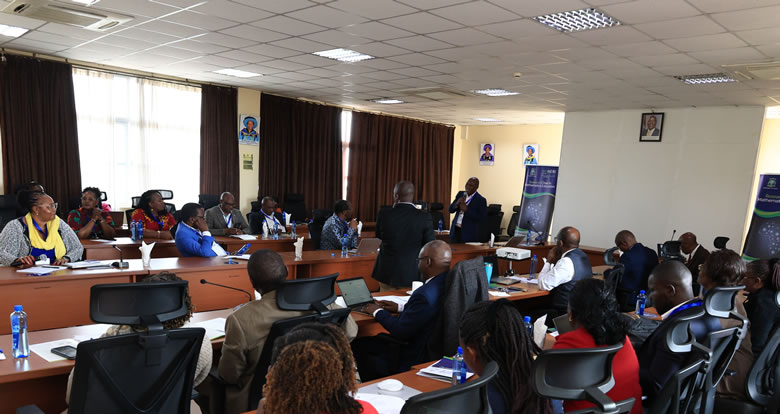
On Friday, 31 July 2026, the HERI Africa Research Chair in Mathematics Education convened a Stakeholders’ Validation Forum at the University of Embu to review and validate the proposed Foundational Numeracy Initiative.
The forum brought together education leaders, policymakers, researchers, curriculum developers, teacher educators, assessment experts, teachers, school leaders, parents’ representatives, development partners, and county education stakeholders. The engagement provided an important platform for stakeholders to examine the proposed initiative, share experiences and perspectives, and collectively identify ways of strengthening its relevance, effectiveness, sustainability, and potential for scale.
Opening the forum, Prof. Daniel Mugendi, Vice Chancellor, University of Embu, in an address delivered on his behalf by Prof. Edith Arunga, Registrar, Planning, Administration and Finance, expressed appreciation to the HERI Africa Research team, partners, and stakeholders for their commitment to improving children’s learning opportunities. He emphasized that improving foundational numeracy is a shared responsibility that requires concerted efforts among government agencies, universities, schools, teachers, families, communities, partners, and other actors across the education ecosystem.
Prof. Mugendi observed that literacy and numeracy are fundamental building blocks for lifelong learning, productive citizenship, innovation, and national development. While Kenya has made significant progress in expanding access to education and implementing curriculum reforms, he stressed the need for continued efforts to ensure that every learner develops mathematical understanding, confidence, and problem-solving skills required to navigate a rapidly changing world.
He further noted that the proposed initiative represents a systems approach to strengthening foundational numeracy, with attention to supporting teachers, engaging families and communities, enriching learners’ mathematical experiences, and generating evidence that can inform policy and practice. He emphasized that research should not remain confined to academic journals and conferences but should translate into practical solutions that improve classroom practice, strengthen teacher education, influence policy, and enhance learner outcomes.
Prof. Mugendi also underscored the importance of co-creation in developing sustainable educational innovations. He noted that effective interventions cannot be designed in isolation but must draw on the knowledge, experience, and perspectives of those who work directly within the education system. He welcomed the participation of policymakers, curriculum developers, assessment experts, teachers, school leaders, researchers, development partners, parents, and other stakeholders in refining the proposed intervention.
Dr. Hezron Mogaka, Director, HERI Africa Secretariat, challenged the initiative to focus on creating a lasting legacy of measurable improvement in learning outcomes. He emphasized that the success of the initiative should be reflected in observable and sustainable improvements, cost-effective interventions that can be scaled, and inclusive approaches that respond to the needs of different learners, including learners with disabilities and both girls and boys.
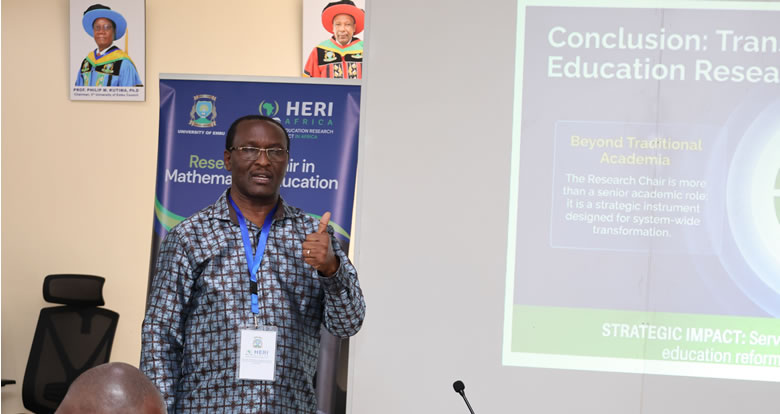
Dr. Mogaka further highlighted the importance of generating evidence that is appropriately disaggregated to reveal who is benefiting from interventions and where additional support is required. He noted that another important legacy should be the development of competencies that enable learners to participate meaningfully in the future labour market and expand opportunities for young people. He encouraged the team to view Kenya as a starting point from which successful interventions could eventually be adapted and scaled to other African countries.
He also emphasized the need for genuine collaboration with government institutions, including the Teachers Service Commission, and other stakeholders. He cautioned against the traditional approach of simply producing research reports and handing them to stakeholders, stressing that researchers must instead work with stakeholders to co-create solutions if research is to achieve meaningful impact. Dr. Simon Karuku, HERI Africa Research Chair in Mathematics Education, described the forum as an opportunity for genuine co-creation of the proposed initiative. He noted that improving foundational numeracy requires understanding the entire learning ecosystem, including parents, curriculum developers, assessment authorities such as KNEC, TSC, teachers, school leaders, and other education actors.
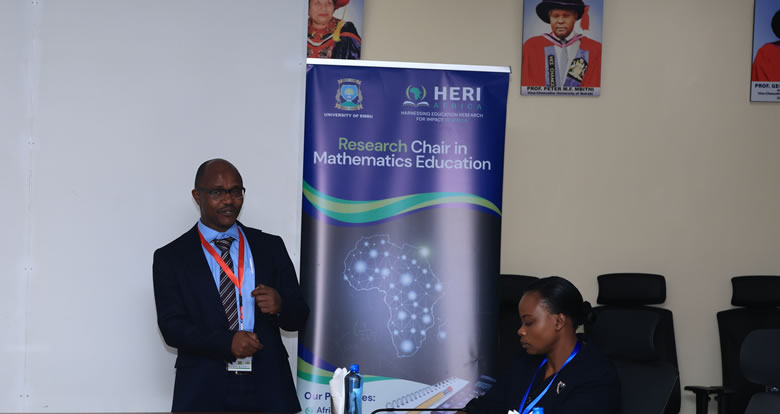
Dr. Karuku invited stakeholders to critically examine the proposal and identify what should be improved so that their experiences and expertise could be incorporated into the final programme. He emphasized that attempting to solve an education challenge in isolation risks overlooking important actors and perspectives, while listening to voices across the education ecosystem makes the resulting intervention more authentic, relevant, and responsive. Speaking during the forum, Mr. Martin Kungania, Ministry of Education, State Department for Basic Education, Directorate of Primary Education, emphasized the urgency of strengthening literacy and numeracy during the early years of learning. He cautioned that failure to address learning gaps at the foundational stage can result in learners falling progressively behind, with potentially significant consequences for their educational progression and future economic opportunities. He called for timely and effective interventions to prevent foundational learning gaps from becoming permanent.
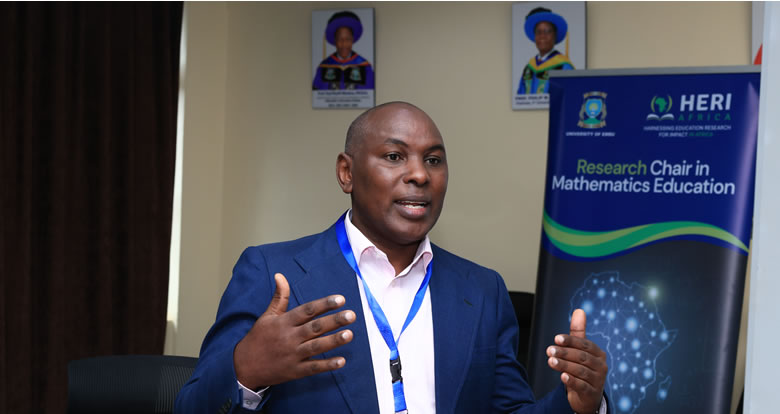
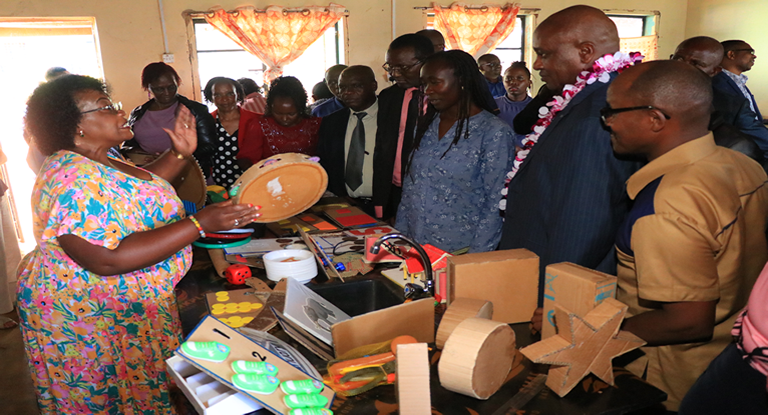
Sharing experiences from the school level, Ms Serah Nkatha, Head of Institution at Antubankui Primary School, highlighted the positive experience of using mathematics club activities to support learning. She noted that the activities had contributed to improved mathematics performance among Grade Three learners, while making numeracy learning more enjoyable and engaging. Her experience demonstrated the potential of learner-centred and interactive approaches to strengthen foundational mathematics learning.

Dr. Reuben Nthamburi, Director, Teacher Professional Management at the Teachers Service Commission (TSC), welcomed the proposed initiative but stressed the importance of sustainability and evidence of impact. He observed that many projects begin with promising objectives but struggle to sustain their interventions after implementation. He therefore recommended establishing a clear baseline in participating schools before implementation so that changes in outputs and outcomes can be measured objectively. He also called for the initiative to be aligned with the curriculum for Grades 1, 2 and 3.
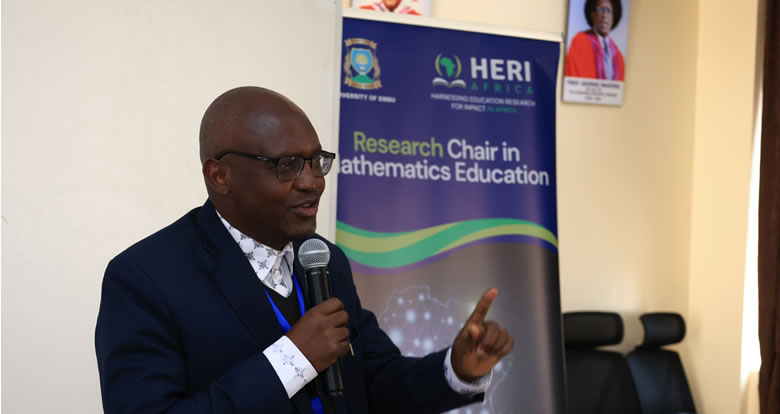
Dr. Lydia Chege of Elimu Mizizi Africa called for stakeholders to move beyond fragmented, small-scale projects and work towards interventions capable of achieving national impact. She emphasized the importance of bringing together diverse ideas and experiences to develop solutions that can reach learners across the country.
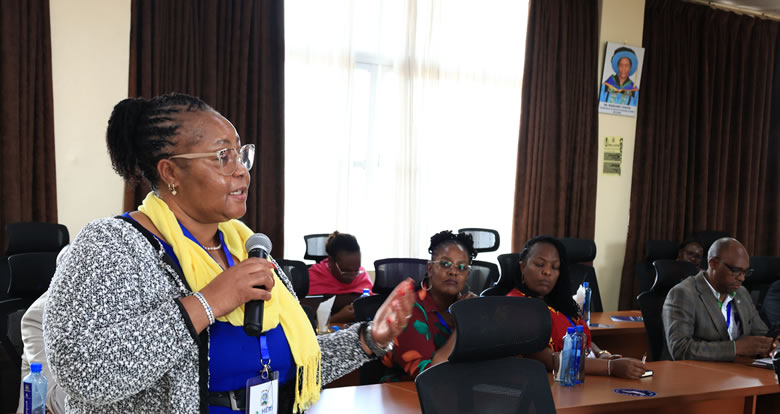
In his closing remarks, Prof. Paul Njiruh Nthakanio, Deputy Vice Chancellor, Academic, Research and Extension, University of Embu, emphasized the importance of strong foundations in learning. He observed that when the foundation is weak, learners face difficulties progressing effectively through the education system. He stressed the need for research and reliable data to inform policy and guide the initiative, while emphasizing that the programme should go beyond research to include practical interventions for strengthening foundational numeracy.