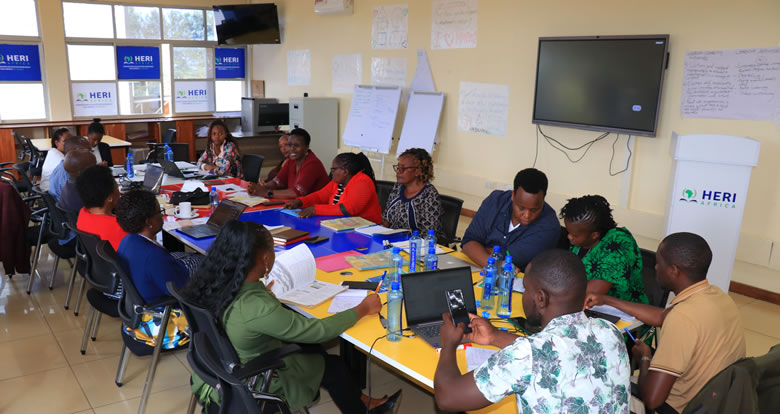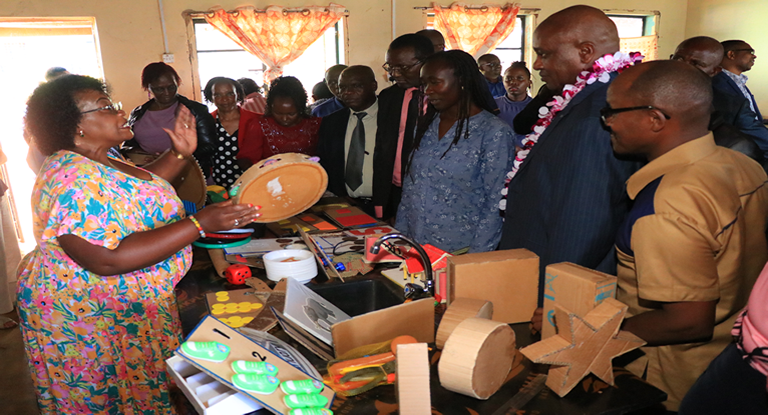





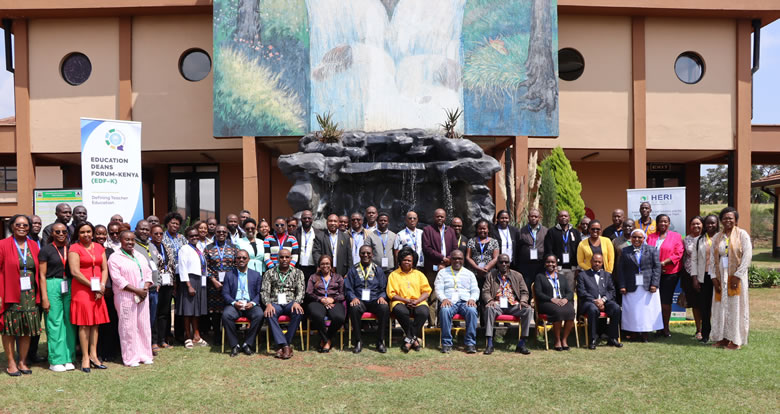
HERI-Africa Research Chair in Mathematics Education, Dr. Simon Karuku, joined university leaders during the 9th Education Deans’ Forum-Kenya (EDF-K) Faculty Retooling Workshop, held from 22-26 June 2026 at the Kenya Institute of Special Education (KISE), Nairobi.
Convened by the Commission for University Education (CUE) in collaboration with HERI Africa, the workshop brought together Education Deans from 47 universities. The five-day engagement provided an important platform for strengthening leadership in Competency-Based Teacher Education, curriculum transformation, faculty development and education research.
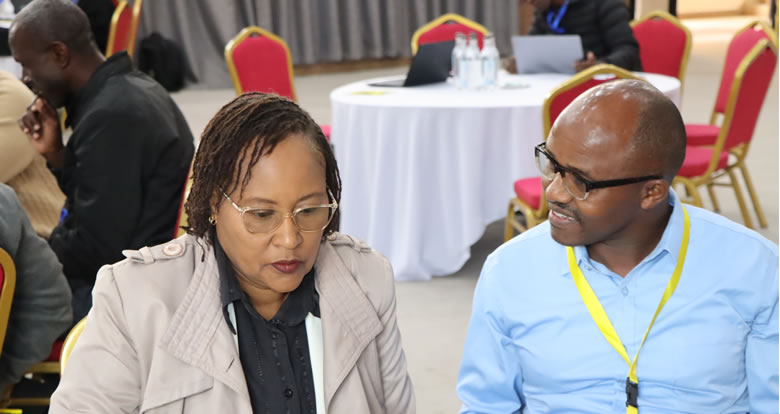
For HERI Africa, the workshop provided an opportunity to demonstrate how education research, institutional leadership and curriculum transformation can work together to support sustainable reform in teacher education.
Strengthening Awareness of the HERI Africa Initiative
A key component of HERI Africa’s engagement was the introduction of the HERI Africa Initiative to Education Deans from universities across Kenya. Participants were familiarized with the Initiative’s vision, mission and continental mandate, as well as its strategic pillars.
The sessions highlighted HERI Africa’s focus on strengthening education research capacity, supporting evidence-informed policymaking, promoting collaboration among universities and education stakeholders, and building institutional capacity. The Education Research Chairs Programme, graduate student development, policy engagement and knowledge dissemination were presented as important mechanisms for advancing education research and educational transformation.
The engagement reinforced the responsibility of universities to go beyond preparing competent graduates and to contribute to the generation of high-quality research capable of informing educational practice, policy and national development.
Promoting a Coordinated National Education Research Agenda
The National Education Research Agenda (NERA) was another major focus of the HERI Africa sessions. Education Deans were introduced to the rationale behind a coordinated national approach to education research and the consultative process that informed the development of the Agenda.
Discussions emphasized the importance of ensuring that university-based education research responds to national priorities and emerging challenges affecting the education sector. These include issues related to access, quality, equity, inclusion, teacher education, educational technology and governance.
Participants were encouraged to align institutional research priorities, postgraduate supervision and collaborative research initiatives with NERA. Such alignment can strengthen the relevance of education research, promote collaboration among universities and generate evidence capable of informing decision-making at institutional and national levels.
The engagement also highlighted the potential of a coordinated research agenda to reduce fragmentation and create stronger links between research, policy and educational practice.
Advancing Education Research Leadership
HERI Africa also highlighted the Education Research Chairs Programme as an important platform for strengthening research leadership and mentorship within African universities.
Participants were introduced to the different Research Chairs and their thematic areas, as well as opportunities for collaboration through joint research, postgraduate supervision, research dissemination and institutional partnerships.
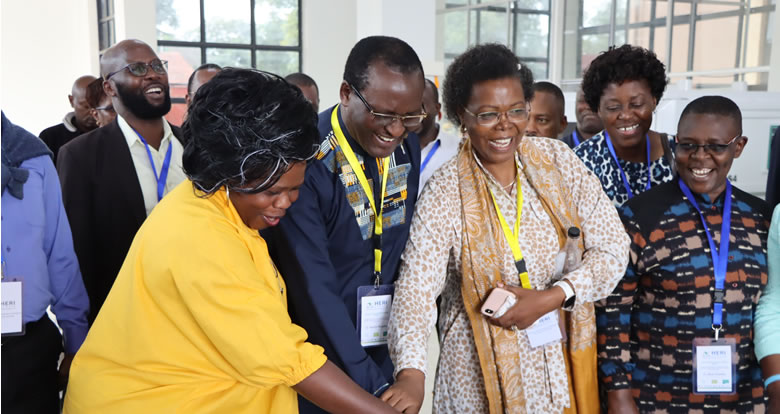
The discussions demonstrated how Research Chairs can help build communities of researchers capable of addressing critical educational challenges through collaborative and interdisciplinary approaches. For Education Deans, the Programme represents an opportunity to strengthen research capacity within Schools and Faculties of Education while expanding institutional and cross-university partnerships.
The sessions further emphasized the role of Education Deans as research leaders and institutional change agents. Their leadership is critical in creating research-supportive environments, encouraging evidence-informed decision-making, promoting collaboration and strengthening institutional research cultures.
Supporting the Next Generation of Education Researchers
Graduate student development formed another important area of HERI Africa’s engagement.
Participants explored the importance of supporting postgraduate students throughout the research lifecycle, from proposal development and supervision to academic writing, publication and research dissemination.
HERI Africa emphasized that strong graduate education is essential for developing the next generation of education researchers. Universities therefore have an important role to play in creating supportive institutional environments that promote quality supervision, collaborative research cultures and increased postgraduate research productivity.
Strengthening graduate research capacity is particularly important for building sustainable education research ecosystems. By investing in postgraduate students, universities contribute to the development of researchers who can generate evidence and innovative solutions for national and continental education challenges.
Connecting Research with Faculty Retooling
A significant contribution of HERI Africa’s engagement was the integration of education research discussions with practical faculty retooling activities.
The workshop demonstrated that the successful implementation of Competency-Based Teacher Education requires more than curriculum redesign. It also requires strong institutional leadership, research-informed practice, collaboration and continuous professional development.
Participants undertook practical curriculum redesign activities using the CBET Prototype, applying principles such as backward design and constructive alignment. The exercise resulted in nine curriculum prototypes that demonstrated how programme competencies, Programme Learning Outcomes, Course Learning Outcomes, teaching and learning activities, assessment strategies and learning resources can be systematically aligned.
For HERI Africa, this practical exercise reinforced the importance of linking research, curriculum development and institutional practice. Education research can provide the evidence needed to guide curriculum review, instructional innovation and continuous improvement.
Strengthening Collaboration Across the Education Sector
The workshop created opportunities for interaction among Education Deans, researchers, curriculum experts, regulatory agencies and other education stakeholders.
The collaborative learning environment encouraged the sharing of institutional experiences, good practices and emerging challenges in teacher education. It also created opportunities for future collaboration in education research, postgraduate supervision, curriculum development and the implementation of NERA.
These emerging networks provide a foundation for sustained engagement between HERI Africa and universities as institutions continue to strengthen their research capacity and implement competency-based approaches to teacher education.
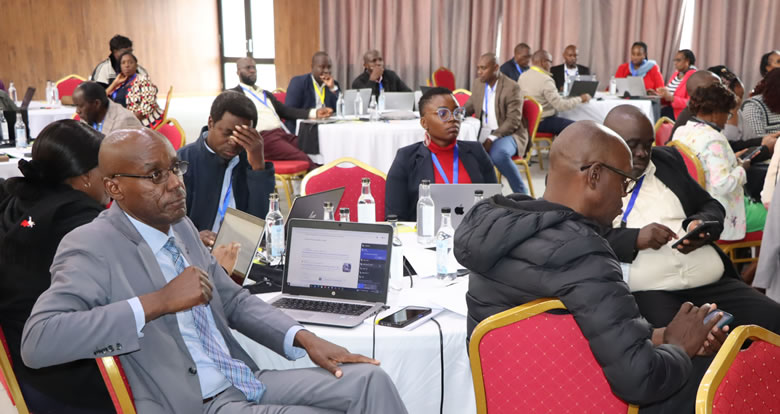
The workshop demonstrated that research and curriculum transformation are mutually reinforcing processes. Effective teacher education reform requires universities to generate and use evidence while strengthening the leadership and institutional systems needed to translate research into practice.
The engagement also reinforced the strategic role of Education Deans in driving institutional transformation. As academic leaders, they are well positioned to champion research excellence, curriculum innovation, faculty development and evidence-informed decision-making within their institutions.
Moving forward, sustained engagement will be essential to translating the momentum generated during the workshop into long-term institutional change. Continued mentoring, communities of practice, collaborative research, knowledge exchange and institutional partnerships can help sustain the gains achieved through the engagement.
Through its participation in the 9th EDF-K Faculty Retooling Workshop, HERI Africa strengthened awareness of its mandate and expanded opportunities for collaboration with university leaders across Kenya. The engagement reaffirmed HERI Africa’s commitment to advancing education research, strengthening research leadership, supporting graduate student development and contributing to evidence-informed transformation of teacher education across Africa.